
How to Protect My Phone While Traveling or Moving Abroad?

Great question. Whether you’re commuting daily or relocating to another country, your phone becomes a high-value target for theft, tracking, and scams. A few simple habits can significantly reduce risk when you try to protect my phone in everyday travel situations.
We searched for that for you and found great tips widely recommended by the FBI, European Union Agency for Cybersecurity, and National Cyber Security Centre among others.
For expats and travelers who rely on staying connected, services like MobileRecharge.com can also help ensure your phone stays active and reachable wherever you are. Plus the security is huge.
1. Lock down your device properly
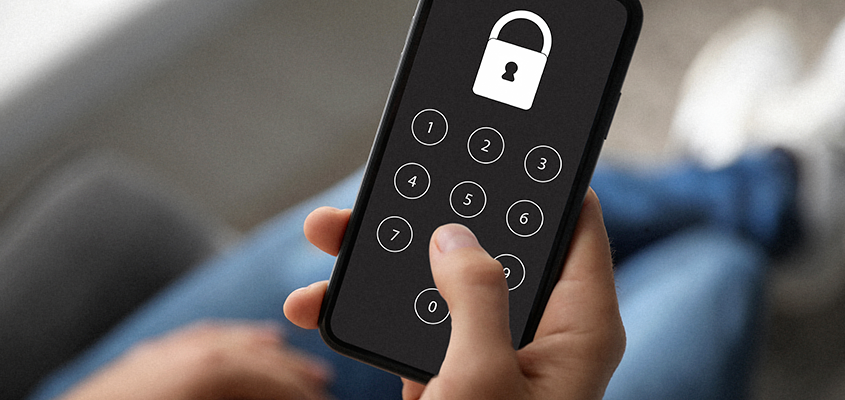
Use a strong passcode (not a 4-digit PIN), enable biometrics, and ensure auto-lock is short. If your phone is lost or stolen, this is your first layer of defense when you try to protect my phone.
2. Avoid public Wi-Fi without protection
 Public networks in airports, cafés, or stations are often untrusted. If you must use them:
- Avoid logging into banking or sensitive apps
- Use a trusted VPN
- Turn off auto-connect to Wi-Fi
(Recommended by National Cyber Security Centre)
3. Or consider a local SIM
Using a local SIM (or eSIM) when traveling offers several advantages and excludes using public Wi-Fi. And MobileRecharge can help with the recharge.
- Lower costs – Local rates for data, calls, and texts are often much cheaper than international roaming charges.
- More data for your money – Local plans typically include larger data allowances than travel roaming packages.
- Better network coverage – You’re connected directly to a local operator, which can provide stronger and more reliable service.
- Faster mobile data speeds – Access to local 4G/5G networks can improve browsing, streaming, navigation, and video calls.
- Easy access to local services – Some apps, delivery services, transportation platforms, and verification codes work better with a local number.
- Avoid unexpected roaming fees – You know exactly what you’re paying upfront.
- Convenient for longer stays – Particularly useful for extended vacations, business trips, study abroad programs, or digital nomad travel.
- Stay connected immediately upon arrival – With an eSIM, you can often activate your plan before departure and connect as soon as you land.
- Better communication with local businesses – Hotels, restaurants, tour operators, and local contacts can reach you on a local number.
- Flexibility – You can choose a plan that matches your travel needs, whether you need mostly data, local calls, or a combination of both.
For most travelers today, a local eSIM offers the same benefits as a physical local SIM while avoiding the need to visit a store or swap SIM cards.
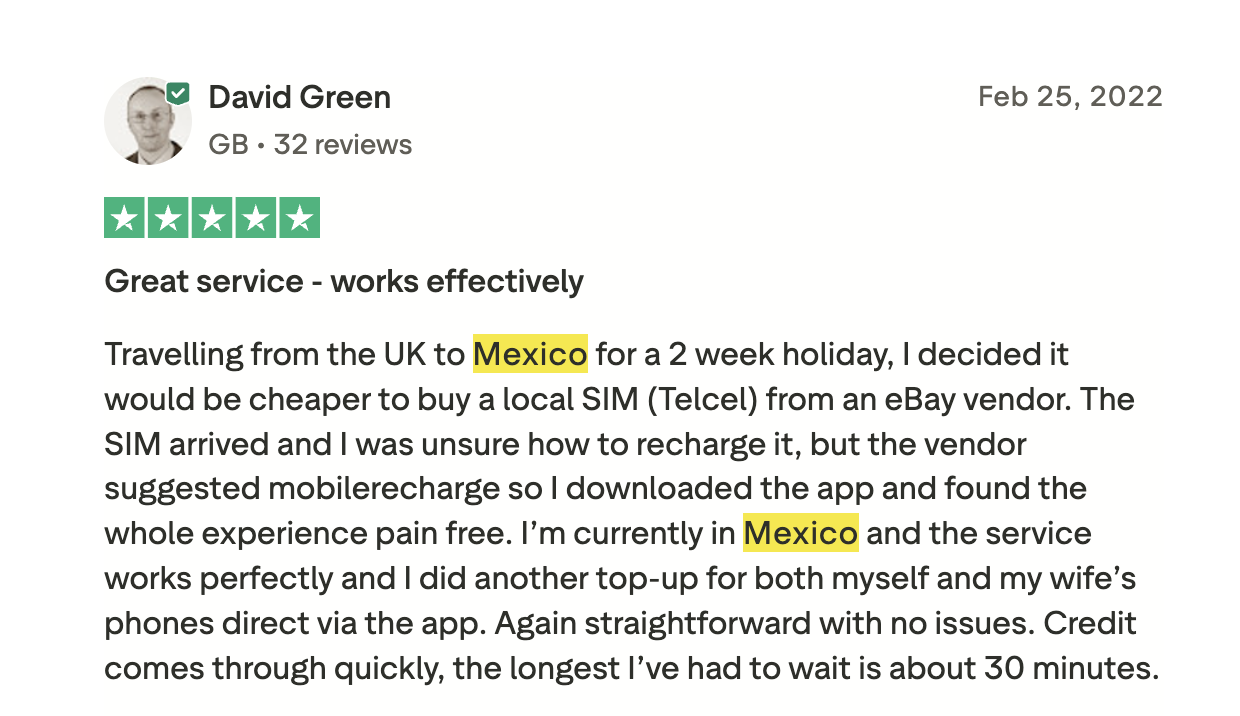
Source: Trustpilot.com
4. Enable tracking & remote wipe

Activate:
- “Find My iPhone” / “Find My Device”
- Remote lock and erase options
This is critical for travel or relocation scenarios and essential if you want to protect my phone from permanent loss.
5. Keep apps and OS updated
Updates often fix security vulnerabilities actively exploited by attackers. Enable automatic updates whenever possible.
(Highlighted by European Union Agency for Cybersecurity guidance)
6. Be cautious with SIM swaps and SMS codes
Fraudsters may try SIM-swap attacks to take over your number. Protect your mobile account with:
- A carrier PIN
- App-based authentication instead of SMS where possible
If you rely on connectivity while abroad, services like MobileRecharge.com can help keep your line active and reduce disruption risks.
7. Reduce what you store locally

Before travel:
- Remove sensitive documents if not needed
- Avoid saving passwords in notes apps
- Use a password manager instead
8. Watch for physical theft tactics
In crowded areas (subways, tourist spots):
- Don’t use your phone near open doors or edges
- Keep it secured in zipped pockets or crossbody bags
- Avoid distractions when using it in public
9. Know how to act if it’s lost or stolen
Immediately:
- Lock it remotely
- Contact your carrier to suspend SIM
- Change passwords for key accounts
(Recommended incident response steps from FBI guidance)
Bottom line
Most phone compromises during travel don’t require advanced hacking, just opportunity. A few simple habits (locking, updating, avoiding risky networks, and enabling recovery tools) dramatically reduce risk when you try to protect my phone abroad.
For expats and frequent travelers, keeping your number active with MobileRecharge.com can also help maintain access to essential services and accounts wherever you are.
Checklist before you leave:
- Enable Find My Device
- Back up your phone
- Update apps and operating system
- Save emergency contacts
- Arrange reliable mobile connectivity with a travel eSIM or international top-up. Get a local SIM and buy credit in advance.
Then:
Having a connectivity backup can be just as important as having a device backup. A travel eSIM or prepaid top-up helps you stay online for maps, banking, authentication codes, and communication with family.

